
Architectural Shingles Nailing Pattern
Architectural Shingles Nailing Pattern - Tamko requires the use of nails as the method of application. Where the deck is less than 3/4 thick, the nails should be long enough to. Use a consistent nailing pattern across the roofing material to ensure uniformity and structural integrity. This ensures they stay in place and don’t risk being exposed, which can cause corrosion and leaks. For these shingles, roofers typically use six nails per shingle. Architectural shingles, being thicker and heavier, require a bit more fastening. Nail each shingle with four nails, positioning them just below the adhesive strip and near the edge. When installing thicker shingles, you may need to use a longer nail in order to penetrate the osb beneath fully. Standard type roofing nails should be used. The diameter of roofing nails is usually gauged by “penny” units (denoted as “d”). We’ll cover each crucial aspect of the job. For these shingles, roofers typically use six nails per shingle. 4 specific areas to focus on. Offset the joints of adjacent shingles in a staggered pattern to provide better protection against leaks. Web one of the key components to shingle performance, regardless of manufacturer, is proper nailing. Web architectural shingles, also known as laminated or dimensional shingles enhance the visual interest of a home. Install the recommended number of nails per shingle. Press shingle firmly into the adhesive. Nails should be long enough to penetrate 3/4 into the roof deck. Web a large nailing area can make shingles easier and quicker to install while also increasing nail placement accuracy to help secure them better to the roof structure. Web improve nail installation accuracy and speed. Nail shanks should be made of minimum 12 gauge wire, and a minimum head diameter of 3/8. In most cases, 4 nails are adequate. Nails should be long enough to penetrate 3/4 into the roof deck. Architectural shingles, being thicker and heavier, require a bit more fastening. Correctly line up the shingles to. Tamko requires the use of nails as the method of application. If you're wondering how to nail roofing shingles quickly and accurately, try using shingles designed to make your job easier. Use a consistent nailing pattern across the roofing material to ensure uniformity and structural integrity. We’ll cover each crucial aspect of the job. When installing thicker shingles, you may need to use a longer nail in order to penetrate the osb beneath fully. When installing shingles, there are specific areas of the roof where attention to detail is especially important. When it comes to installation, precision is key. If you're wondering how to nail roofing shingles quickly and accurately, try using shingles designed. That's why gaf's timberline ® shingles with layerlock™ technology * were designed with the strikezone™ nailing area, the industry's largest nail zone. Web a large nailing area can make shingles easier and quicker to install while also increasing nail placement accuracy to help secure them better to the roof structure. This ensures they stay in place and don’t risk being. The diameter of roofing nails is usually gauged by “penny” units (denoted as “d”). Web nailing pattern for architectural shingles. Nails should be long enough to penetrate 3/4 into the roof deck. Position the six nails per shingle according to the layout and installation instructions. Web improve nail installation accuracy and speed. The general rule is that a roofing nail should penetrate at least 3/4″ into the wooden deck beneath the shingle. When it comes to installation, precision is key. For these shingles, roofers typically use six nails per shingle. We’ll cover each crucial aspect of the job. In most cases, 4 nails are adequate. Web most shingles require either a 4 or 6 nail pattern per shingle to ensure a tight seal. Web one of the key components to shingle performance, regardless of manufacturer, is proper nailing. Gaf timberline hdz shingles with layerlock technology and the strikezone ® nailing area make nailing. Where the deck is less than 3/4 thick, the nails should be. When installing shingles, there are specific areas of the roof where attention to detail is especially important. Many manufacturers recommend a modified pyramid pattern where the offsets between shingles aren’t equal measurements but random themselves. Learn about selecting the correct type of shingles, nailing techniques, overlapping and aligning rows, and completing the installation with finesse. Web roof shingle fastening patterns. Many manufacturers recommend a modified pyramid pattern where the offsets between shingles aren’t equal measurements but random themselves. Nail each shingle with four nails, positioning them just below the adhesive strip and near the edge. Web nailing pattern for architectural shingles. In most cases, 4 nails are adequate. When it comes to installation, precision is key. Standard type roofing nails should be used. Use a consistent nailing pattern across the roofing material to ensure uniformity and structural integrity. Nail each shingle with four nails, positioning them just below the adhesive strip and near the edge. For these shingles, roofers typically use six nails per shingle. The diameter of roofing nails is usually gauged by “penny” units. The general rule is that a roofing nail should penetrate at least 3/4″ into the wooden deck beneath the shingle. In roofing, every shingle nail counts. In most cases, 4 nails are adequate. Standard type roofing nails should be used. The diameter of roofing nails is usually gauged by “penny” units (denoted as “d”). If you're wondering how to nail roofing shingles quickly and accurately, try using shingles designed to make your job easier. Web here’s the best way to install roof shingles, where to nail shingles, how much to overhang the drip edge, and fit the felt paper. Nail each shingle with four nails, positioning them just below the adhesive strip and near the edge. For these shingles, roofers typically use six nails per shingle. Many manufacturers recommend a modified pyramid pattern where the offsets between shingles aren’t equal measurements but random themselves. Learn about selecting the correct type of shingles, nailing techniques, overlapping and aligning rows, and completing the installation with finesse. That's why gaf's timberline ® shingles with layerlock™ technology * were designed with the strikezone™ nailing area, the industry's largest nail zone. Where the deck is less than 3/4 thick, the nails should be long enough to. When installing thicker shingles, you may need to use a longer nail in order to penetrate the osb beneath fully. Architectural shingles, being thicker and heavier, require a bit more fastening. Web architectural shingles, also known as laminated or dimensional shingles enhance the visual interest of a home.
Roof Shingle LayOut and Nailing Patterns GutterBrush

Nailing Pattern For Architectural Shingles Nail Ftempo

How to Shingle a Shed With 3 Tab and Architectural Shingles
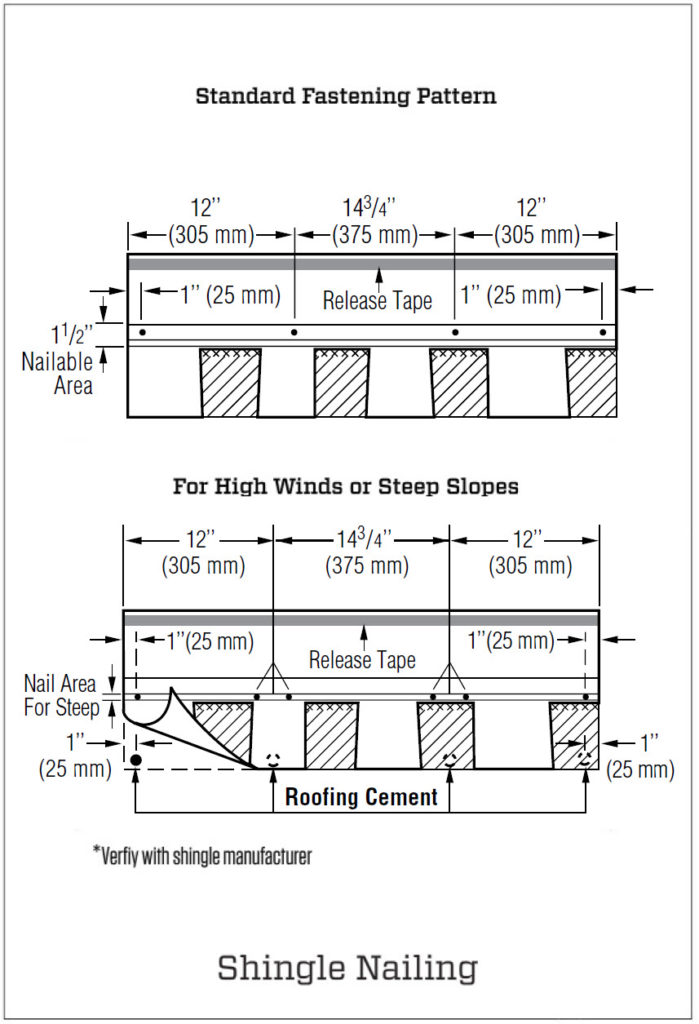
Where To Nail Shingles Architectural Nail Ftempo

Proper Nailing Pattern For Architectural Shingles Nail Ftempo

Nailing Pattern For Architectural Shingles Nail Ftempo
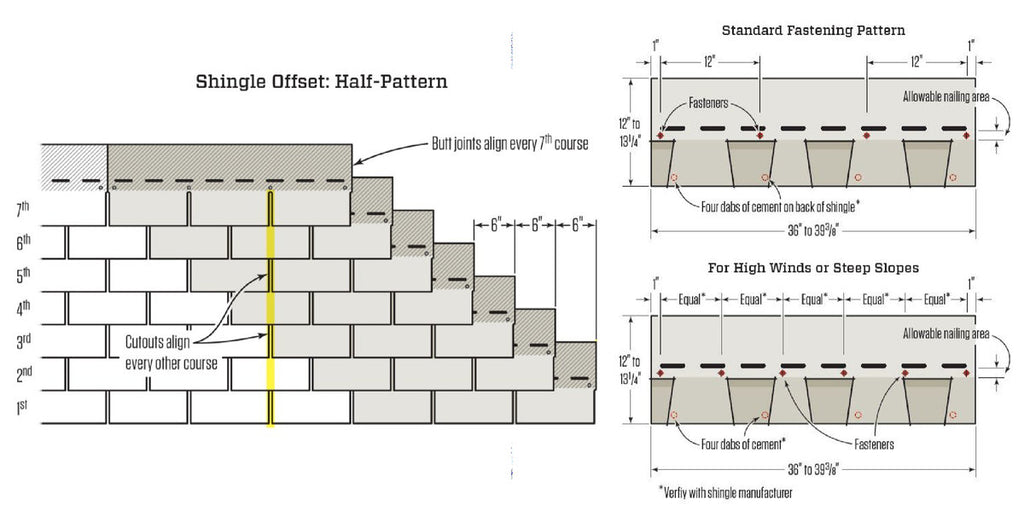
Roof Shingle LayOut and Nailing Patterns GutterBrush

Nailing Pattern For Architectural Shingles Nail Ftempo

The standard nailing for asphalt shingles is a fournail pattern, with

Architectural Shingle Nailing Pattern The Architect
Web Roof Shingle Fastening Patterns Affect The Roof's Wind Performance And Roof Leakage.
Gaf Timberline Hdz Shingles With Layerlock Technology And The Strikezone ® Nailing Area Make Nailing.
We’ll Cover Each Crucial Aspect Of The Job.
4 Specific Areas To Focus On.
Related Post: