
Hip Pain Referral Patterns
Hip Pain Referral Patterns - Typically, referred pain is described as dull, aching, gnawing,. Buttock pain is the most common pain referral area from a symptomatic hip joint. Web physioadvisor offers detailed physiotherapy information on hip and groin injuries and referred pain to the hip and groin including: Web the hip joint was shown to cause pain in traditionally accepted referral areas to the groin and thigh in 55% and 57% of patients, respectfully. This happens because all the nerves in your body are part of a huge, connected. Patients should, however, be referred to a specialist. The clinical examination of the hip requires a. Web referred pain is when you have an injury in one area of your body but feel pain somewhere else. The hip joint was shown to cause pain in traditionally accepted referral areas to the groin and thigh in 55% and 57% of patients, respectfully. Web hip pain is usually located anteriorly, laterally, or posteriorly. Web referred pain usually occurs after local pain has persisted for a certain period (5, 55). Patients should, however, be referred to a specialist. The hip joint was shown to cause pain in traditionally accepted referral areas to the groin and thigh in 55% and 57% of patients, respectfully. This happens because all the nerves in your body are part of a huge, connected. Web the hip joint was shown to cause pain in traditionally accepted referral areas to the groin and thigh in 55% and 57% of patients, respectfully. Typically, referred pain is described as dull, aching, gnawing,. Web quality of life outcome and patient satisfaction after total hip arthroplasty are complex phenomena and many confounding determinants have been identified. Web this study was undertaken to determine the most common referral patterns of hip pain in patients scheduled to undergo primary and revision total hip replacement. Hip joint pain referral has been classically thought to occur most commonly in the groin and anterior thigh [3,4]. Web hip pain is usually located anteriorly, laterally, or posteriorly. To determine hip joint pain referral patterns. Patients should, however, be referred to a specialist. Buttock pain is the most common pain referral area from a symptomatic hip joint. Web several studies have documented pain localization and pain referral pattern in patients with hip oa and a common thought in the past has been that pain from the. The least. Web several studies have documented pain localization and pain referral pattern in patients with hip oa and a common thought in the past has been that pain from the. Web the most common locations of pain were the central groin and the lateral peritrochanteric area. Web referred pain usually occurs after local pain has persisted for a certain period (5,. Buttock pain is the most common pain referral area from a symptomatic hip joint. Web the hip joint was shown to cause pain in traditionally accepted referral areas to the groin and thigh in 55% and 57% of patients, respectfully. The least common were the ischial tuberosity and the anterior thigh, which are 2. Web referred pain usually occurs after. Two studies exist regarding hip joint pain patterns in patients awaiting total. Web the majority of the management of patients with osteoarthritis of the hip can be undertaken in primary care. To determine hip joint pain referral patterns. This happens because all the nerves in your body are part of a huge, connected. Web hip pain is usually located anteriorly,. Web the hip joint was shown to cause pain in traditionally accepted referral areas to the groin and thigh in 55% and 57% of patients, respectfully. Typically, referred pain is described as dull, aching, gnawing,. Web referred pain usually occurs after local pain has persisted for a certain period (5, 55). Web fourteen pain referral patterns were observed. The clinical. Web this study was undertaken to determine the most common referral patterns of hip pain in patients scheduled to undergo primary and revision total hip replacement. This happens because all the nerves in your body are part of a huge, connected. The clinical examination of the hip requires a. Web the hip joint was shown to cause pain in traditionally. Web the majority of the management of patients with osteoarthritis of the hip can be undertaken in primary care. Web referred pain usually occurs after local pain has persisted for a certain period (5, 55). Web fourteen pain referral patterns were observed. To determine hip joint pain referral patterns. Hip joint pain referral has been classically thought to occur most. The clinical examination of the hip requires a. Web the hip joint was shown to cause pain in traditionally accepted referral areas to the groin and thigh in 55% and 57% of patients, respectfully. Web hip pain is usually located anteriorly, laterally, or posteriorly. Web referred pain usually occurs after local pain has persisted for a certain period (5, 55).. Web the hip and pelvis have a complex anatomy and are a common source of pain and injury in the athletic population. The hip joint is a known potential pain source due to its innervation from the obturator, femoral, and sciatic nerves [1,2]. This happens because all the nerves in your body are part of a huge, connected. The clinical. Web an algorithmic approach to physical examination of a painful nonarthritic hip, including history, physical examination (specific tests), and advanced imaging allow. To determine hip joint pain referral patterns. Web this study was undertaken to determine the most common referral patterns of hip pain in patients scheduled to undergo primary and revision total hip replacement. Web the hip and pelvis. Web referred pain is when you have an injury in one area of your body but feel pain somewhere else. Web quality of life outcome and patient satisfaction after total hip arthroplasty are complex phenomena and many confounding determinants have been identified. To determine hip joint pain referral patterns. Web several studies have documented pain localization and pain referral pattern in patients with hip oa and a common thought in the past has been that pain from the. Web referred pain usually occurs after local pain has persisted for a certain period (5, 55). Web this study was undertaken to determine the most common referral patterns of hip pain in patients scheduled to undergo primary and revision total hip replacement. Two studies exist regarding hip joint pain patterns in patients awaiting total. Hip joint pain referral has been classically thought to occur most commonly in the groin and anterior thigh [3,4]. Web this study was undertaken to determine the most common referral patterns of hip pain in patients scheduled to undergo primary and revision total hip replacement. Web hip pain is usually located anteriorly, laterally, or posteriorly. Web the most common locations of pain were the central groin and the lateral peritrochanteric area. Web the majority of the management of patients with osteoarthritis of the hip can be undertaken in primary care. Web fourteen pain referral patterns were observed. To determine hip joint pain referral patterns. The hip joint is a known potential pain source due to its innervation from the obturator, femoral, and sciatic nerves [1,2]. The clinical examination of the hip requires a.
Hip Pain Referral Patterns Lower Torso Massage Pinterest
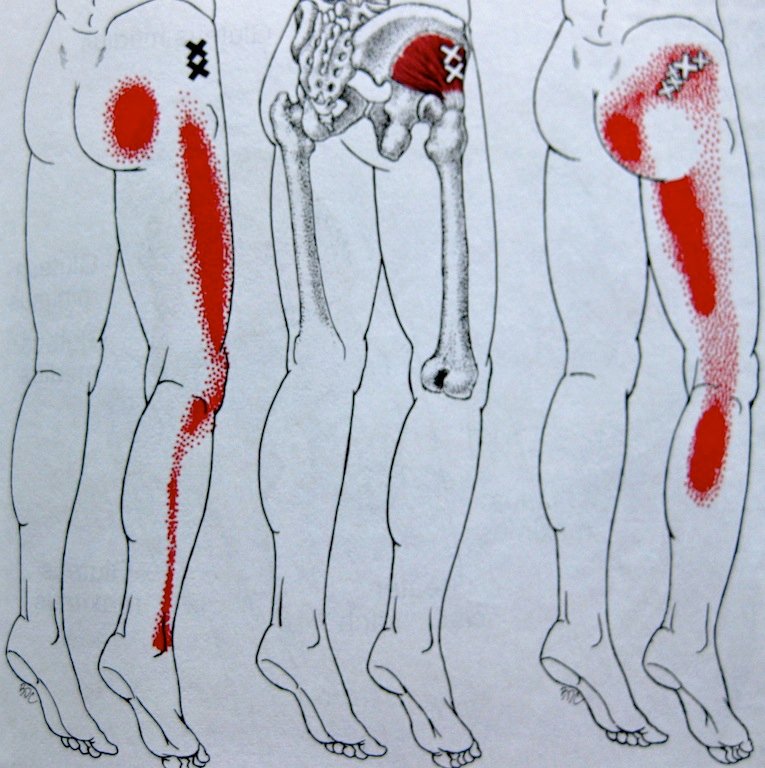
Hip Pain The Easy Fix Personal Training North Vancouver

Hip Trigger Point Chart
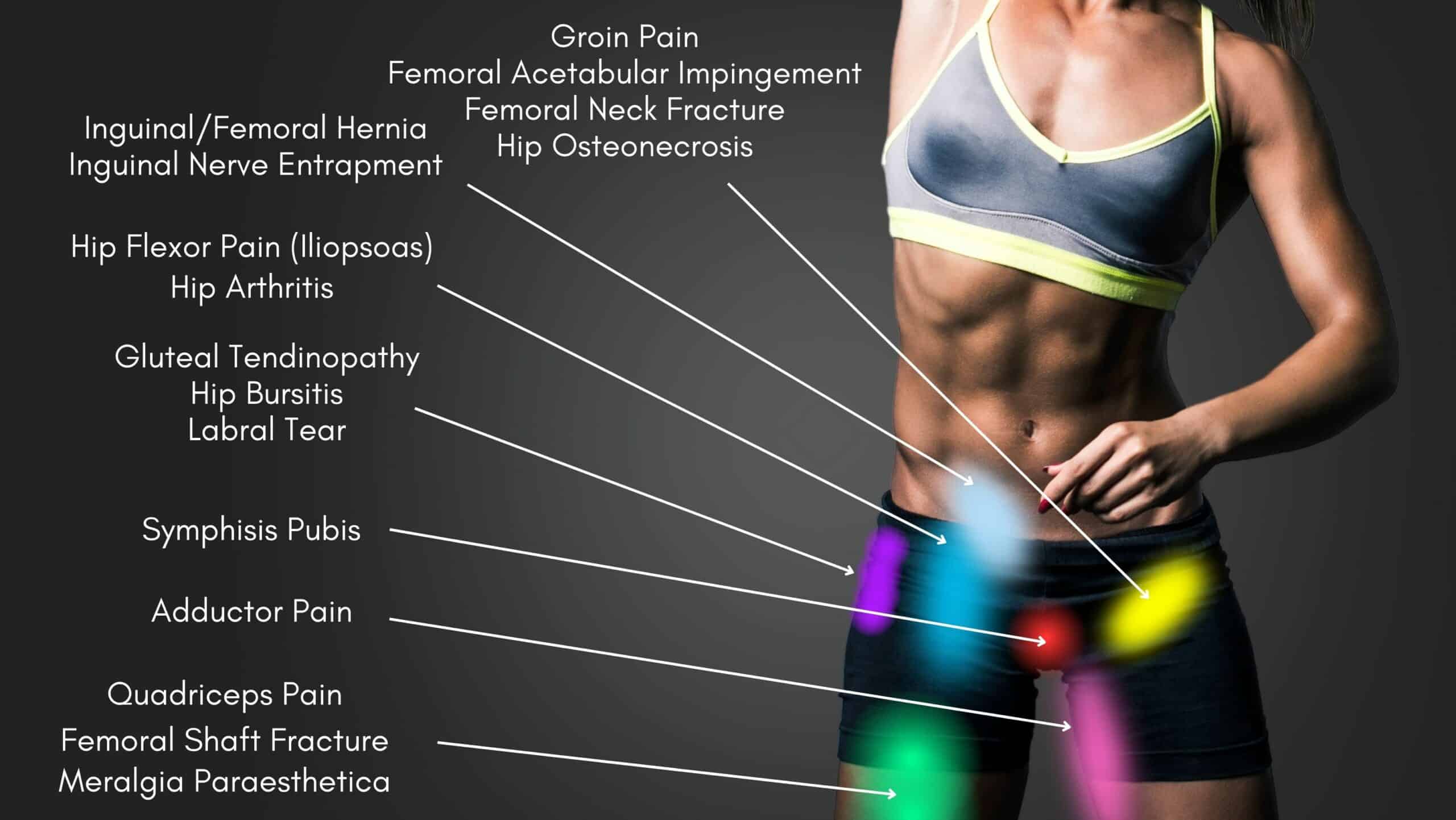
Hip Pain Location Diagram Hip Pain Location Chart

Hip Trigger Point Referral Patterns
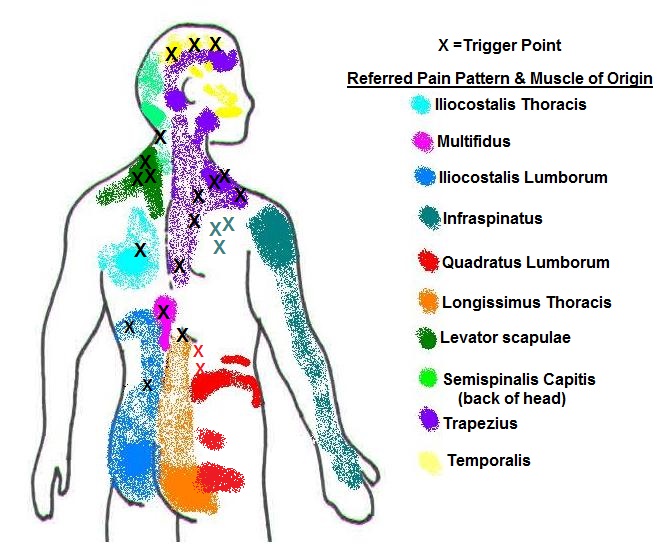
Hip Referred Pain Chart

Hip joint pain referral patterns. Image by Robert Trager, DC, based on

The Trigger Point & Referred Pain Guide 17
![[PDF] Hip joint pain referral patterns a descriptive study. Semantic](https://d3i71xaburhd42.cloudfront.net/e773ef4cec137717068b9b83c77b46c2c58622ce/3-Figure2-1.png)
[PDF] Hip joint pain referral patterns a descriptive study. Semantic
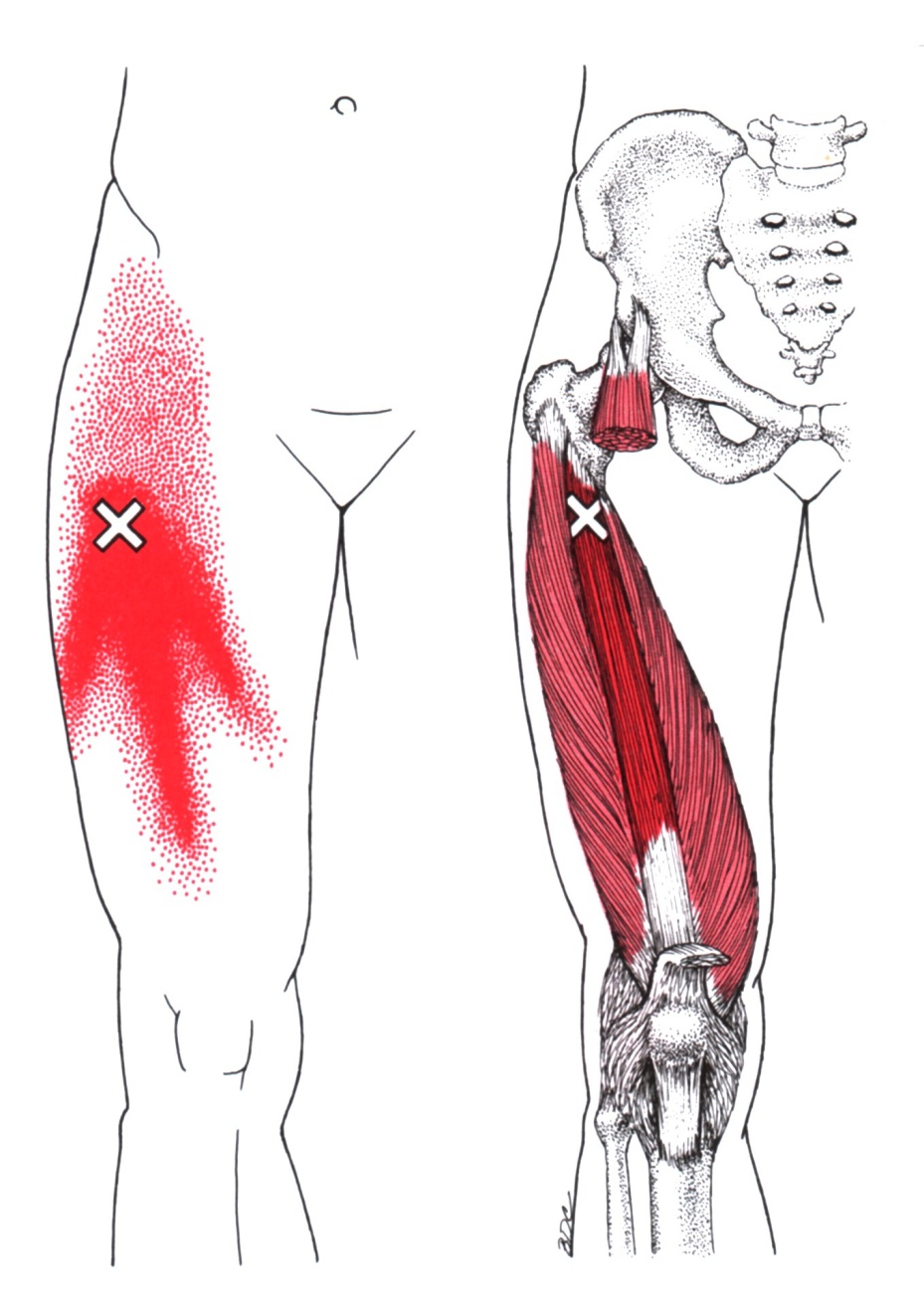
Vastus Intermedius The Trigger Point & Referred Pain Guide
Web The Hip And Pelvis Have A Complex Anatomy And Are A Common Source Of Pain And Injury In The Athletic Population.
Web The Hip Joint Was Shown To Cause Pain In Traditionally Accepted Referral Areas To The Groin And Thigh In 55% And 57% Of Patients, Respectfully.
Patients Should, However, Be Referred To A Specialist.
Web The Hip Joint Was Shown To Cause Pain In Traditionally Accepted Referral Areas To The Groin And Thigh In 55% And 57% Of Patients, Respectfully.
Related Post: