
Kimono Pattern Traditional
Kimono Pattern Traditional - Web ever wondered about the meanings and symbolism behind the striking patterns on a kimono? Learning their names and origins reveals their auspicious meanings and. Web just about everyone is familiar with japanese kimono: Kimonos come in a range of styles and patterns. Web japanese patterns come in many forms and all have a hidden meaning. As you delve into the intricate folds of this iconic garment, you’ll uncover a world where fabric becomes poetry and history becomes thread. Web the traditional japanese kimono, a garment steeped in history and cultural significance, serves not only as attire but also as a canvas for expressing values, virtues, and the natural world through its colors and motifs. Web known in japanese as waritsuke, these patterns feature elegant yet straightforward designs repeated over the fabric. Whether they are worn as a long blouse, a light coat or a dress, kimonos are highly versatile. Web when it comes to traditional japanese kimono patterns, few are as iconic and beloved as the sakura, or cherry blossom pattern. Web derived from the words ki (“wear”) and mono (“thing”), the kimono is a traditional japanese garment. Explore the rich history and symbolism. Below are some of the most common designs used for kimonos. Web discover the beauty of japanese traditional kimono with various styles, patterns, and cultural significance. The word for this traditional garment literally means ( ki: Very much found on the kimono and other japanese clothing, they are called wagara. Web kimonos are fantastic to both sew and wear. The kimono is originally from japan. As you delve into the intricate folds of this iconic garment, you’ll uncover a world where fabric becomes poetry and history becomes thread. Web japanese traditional patterns can be found on kimonos, tenuguihand towels and all manner of other small japanese items. Web just about everyone is familiar with japanese kimono: Splendid dyes, gorgeous patterns, and premier fabrics earn this traditional piece of clothing high praise around the world. Web the japanese kimono is renowned for its exceptional beauty. Kimonos come in a range of styles and patterns. Web japanese traditional patterns can be found on kimonos, tenuguihand towels and all manner. We’ve included a mix of pdf and paper patterns in different styles, sizes, and prices (including 8 free!). Web kimono is a traditional japanese dress that was worn until western clothing culture was introduced in the meiji period. Web japanese traditional patterns can be found on kimonos, tenuguihand towels and all manner of other small japanese items. Find your kimono. Web authentic japanese traditional clothing kimono, yukata, jinbei, samue, and more. Very much found on the kimono and other japanese clothing, they are called wagara. Web chopa is a direct importer of quality cotton and silk kimono and yukata robes from japan. Learning their names and origins reveals their auspicious meanings and. These beautiful patterns are used for kimonos, obi. Web japanese patterns come in many forms and all have a hidden meaning. Web when it comes to traditional japanese kimono patterns, few are as iconic and beloved as the sakura, or cherry blossom pattern. Web authentic japanese traditional clothing kimono, yukata, jinbei, samue, and more. Web kimonos are fantastic to both sew and wear. Flowers like sakura 桜 (cherry. Find your kimono at shimazakura! Web kimono immediately spring to mind when you hear traditional japanese clothing. Object = “ worn object “, or “object that is worn”). The kimono is japan’s most iconic garment; By laura pollacco & lucy dayman. Dive into the realm of wagara, the enchanting world of kimono fabric patterns that have captured hearts for centuries. Though their shape varies little, differences in the materials, patterns, and colors of a kimono designate one\'s status, while the knot in. Web 31 traditional japanese kimono patterns you should know. Web kimonos are fantastic to both sew and wear. Learning. Most of the traditional japanese patterns dates back to the 8th century and are inspired by nature, of which the symbolism is very strong in japanese culture. Web just about everyone is familiar with japanese kimono: Flowers like sakura 桜 (cherry blossom), momo no hana 桃の花 (peach blossom), fuji 藤 (wisteria) and momiji 紅葉 (japanese maple) have seasonal significance as. Read our guide to some of the most common designs for japan's traditional clothing Web kimono immediately spring to mind when you hear traditional japanese clothing. Web the traditional japanese kimono, a garment steeped in history and cultural significance, serves not only as attire but also as a canvas for expressing values, virtues, and the natural world through its colors. Web authentic japanese traditional clothing kimono, yukata, jinbei, samue, and more. And unravel these captivating designs’ history, significance, and sheer charm. It is a sublime art form that has produced many outstanding designs throughout the centuries. Here are examples of the most iconic and unique kimono artists and styles that will guide you through the sumptuous world of kimono art.. Web derived from the words ki (“wear”) and mono (“thing”), the kimono is a traditional japanese garment. A kimono completes any outfit. By laura pollacco & lucy dayman. Splendid dyes, gorgeous patterns, and premier fabrics earn this traditional piece of clothing high praise around the world. Web sew the “kiara” kimono. It is a sublime art form that has produced many outstanding designs throughout the centuries. Of course, you can wear it for other. Web the traditional japanese kimono, a garment steeped in history and cultural significance, serves not only as attire but also as a canvas for expressing values, virtues, and the natural world through its colors and motifs. Web japanese traditional patterns can be found on kimonos, tenuguihand towels and all manner of other small japanese items. Web kimono patterns are not only decorative but also have special cultural meaning. We’ve included a mix of pdf and paper patterns in different styles, sizes, and prices (including 8 free!). Web derived from the words ki (“wear”) and mono (“thing”), the kimono is a traditional japanese garment. Dive into the realm of wagara, the enchanting world of kimono fabric patterns that have captured hearts for centuries. Object = “ worn object “, or “object that is worn”). Web sew the “kiara” kimono. Find your kimono at shimazakura! The beautiful and most recognizable traditional garments in japan. Very much found on the kimono and other japanese clothing, they are called wagara. Though their shape varies little, differences in the materials, patterns, and colors of a kimono designate one\'s status, while the knot in. Kimonos come in a range of styles and patterns. What you may not know, however, is that “kimono,” which literally means ‘thing that is worn,’ encompasses many styles, and can be worn for various occasions in japan.
31 Traditional Japanese Kimono Patterns You Should Know Japanese

Kimono Designs 9 Must See Japanese Masterpieces vrogue.co
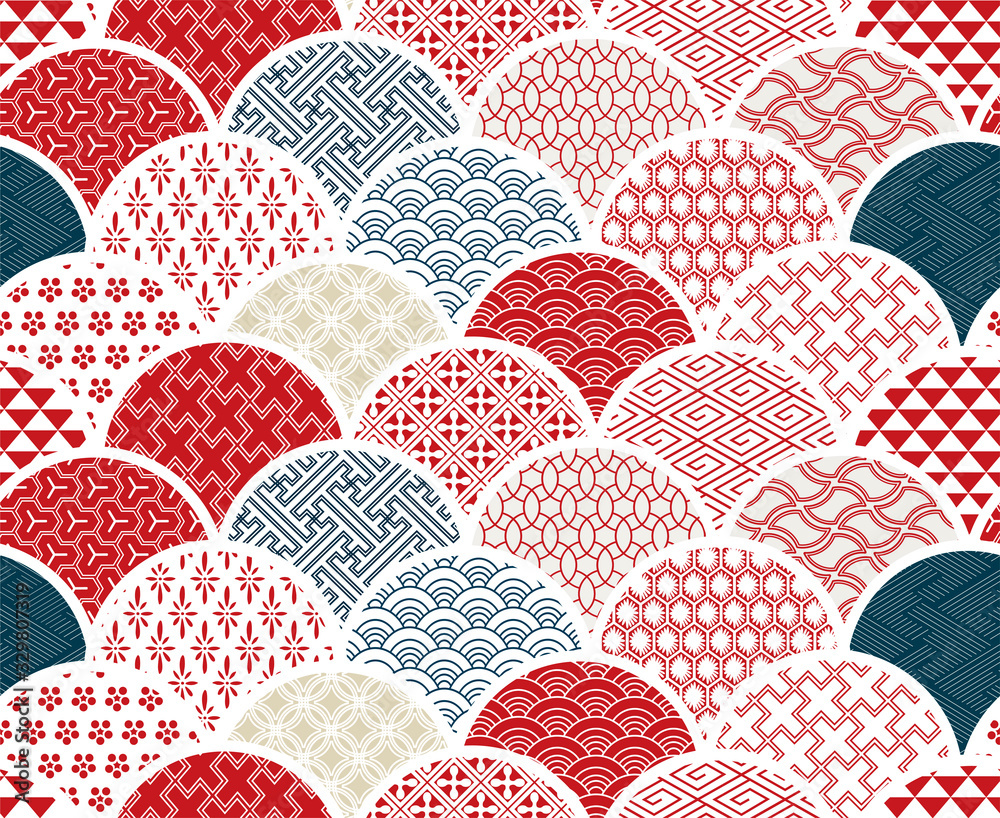
traditional geometric kimono pattern vector sketch illustration line

19 Traditional Japanese Kimono Patterns You Should Know Japanese
31 Traditional Japanese Kimono Patterns You Should Know Japan Objects

Pin on Kimonos

Simplicity 5839 Sewing Pattern Kimono Hadri Obi Sash Tie Traditional

Lady Portrait Pattern Traditional Japanese Kimono IDREAMMART
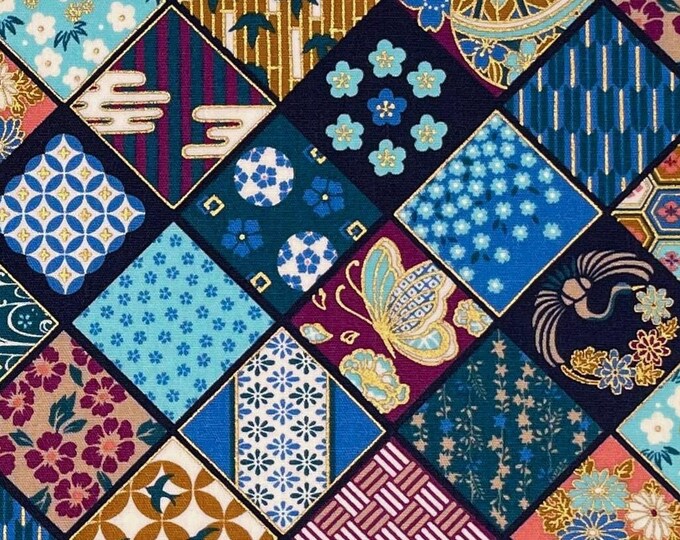
Japanese Fabric Traditional Kimono Patterns Arranged in Diamonds With

19 Traditional Japanese Kimono Patterns You Should Know Japan Objects
We Would Recommend A Traditional Japanese Kimono To People Attending Events And Parties, Regardless Of Whether It Is Formal Or Casual.
Web Ever Wondered About The Meanings And Symbolism Behind The Striking Patterns On A Kimono?
Web Authentic Japanese Traditional Clothing Kimono, Yukata, Jinbei, Samue, And More.
A Kimono Completes Any Outfit.
Related Post: