
Sine Wave Pattern Ecg
Sine Wave Pattern Ecg - Web this article deals mainly with ecg features of sinus rhythm. The morphology of this sinusoidal pattern on ecg results from the fusion of wide qrs complexes with t waves. Tall tented t waves (early sign) prolonged pr interval; The physical examination was unremarkable, but oxygen saturation was. High serum potassium can lead to alterations in the waveforms of the surface electrocardiogram (ecg). Web serum potassium (measured in meq/l) is normal when the serum level is in equilibrium with intracellular levels. Subsequent ventricular fibrillation (vf) or asystole may then follow. Web there are three ecg patterns associated with brugada syndrome, of which only the type 1 ecg is diagnostic. Sine wave pattern (late sign) arrhythmias Web development of a sine wave pattern. The combination of broadening qrs complexes and tall t waves produces a sine wave pattern on the ecg readout. Regular rhythm with ventricular rate between 50 and 100 beats/min. Widened qrs interval, flattened p waves; High serum potassium can lead to alterations in the waveforms of the surface electrocardiogram (ecg). There is frequently a background progressive bradycardia. Sine wave, ventricular fibrillation, heart block; Web the ecg changes reflecting this usually follow a progressive pattern of symmetrical t wave peaking, pr interval prolongation, reduced p wave amplitude, qrs complex widening, sine wave formation, fine ventricular fibrillation and asystole. The physical examination was unremarkable, but oxygen saturation was. The morphology of this sinusoidal pattern on ecg results from the fusion of wide qrs complexes with t waves. In addition, the t waves are symmetric (upstroke and downstroke equal) (┴), which further supports hyperkalemia as the etiology. There is frequently a background progressive bradycardia. Web the ecg changes reflecting this usually follow a progressive pattern of symmetrical t wave peaking, pr interval prolongation, reduced p wave amplitude, qrs complex widening, sine wave formation, fine ventricular fibrillation and asystole. Web there are three ecg patterns associated with brugada syndrome, of which only the type 1 ecg is diagnostic.. The morphology of this sinusoidal pattern on ecg results from the fusion of wide qrs complexes with t waves. The combination of broadening qrs complexes and tall t waves produces a sine wave pattern on the ecg readout. Web a very wide qrs complex (up to 0.22 sec) may be seen with a severe dilated cardiomyopathy and this is a. Web there are three ecg patterns associated with brugada syndrome, of which only the type 1 ecg is diagnostic. Definition (criteria) for sinus rhythm. Peaked t waves, prolonged pr interval, shortened qt interval; High serum potassium can lead to alterations in the waveforms of the surface electrocardiogram (ecg). Web sine wave pattern in hyperkalemia is attributed to widening of qrs. This pattern usually appears when the serum potassium levels are well over 8.0 meq/l. The earliest manifestation of hyperkalaemia is an increase in t wave amplitude. There is frequently a background progressive bradycardia. Web learn about expert ecg interpretation and analysis with a comprehensive review of ecg archives on healio's learn the heart platform. Sine wave, ventricular fibrillation, heart block; Had we seen the earlier ecgs, we might have had more warning, because the ecg in earlier stages of hyperkalemia shows us distinctive peaked, sharp t waves and a progressive. An ecg is an essential investigation in the context of hyperkalaemia. Web serum potassium (measured in meq/l) is normal when the serum level is in equilibrium with intracellular levels. Cardiovascular. We describe the case of a patient who presented with hyperkalaemia and an electrocardiographic aspect consistent with a. Regular rhythm with ventricular rate between 50 and 100 beats/min. Web in these situations, the p wave is regular with a constant morphology, but there is either a recurring pattern to the pr interval with intermittent dropped beats (second degree av block). Had we seen the earlier ecgs, we might have had more warning, because the ecg in earlier stages of hyperkalemia shows us distinctive peaked, sharp t waves and a progressive. Web serum potassium (measured in meq/l) is normal when the serum level is in equilibrium with intracellular levels. The combination of broadening qrs complexes and tall t waves produces a. Sine wave pattern (late sign) arrhythmias The t waves (+) are symmetric, although not tall or peaked. Based on lab testing (>5.5 meq/l), although ecg may provide earlier information Ecg changes generally do not manifest until there is a moderate degree of hyperkalaemia (≥ 6.0 mmol/l). Web sine wave pattern in hyperkalemia is attributed to widening of qrs with st. The earliest manifestation of hyperkalaemia is an increase in t wave amplitude. Subsequent ventricular fibrillation (vf) or asystole may then follow. Ecg changes generally do not manifest until there is a moderate degree of hyperkalaemia (≥ 6.0 mmol/l). The t waves (+) are symmetric, although not tall or peaked. Web several factors may predispose to and promote potassium serum level. As k + levels rise further, the situation is becoming critical. Subsequent ventricular fibrillation (vf) or asystole may then follow. Web learn about expert ecg interpretation and analysis with a comprehensive review of ecg archives on healio's learn the heart platform. Ecg changes generally do not manifest until there is a moderate degree of hyperkalaemia (≥ 6.0 mmol/l). Peaked t. Sine wave, ventricular fibrillation, heart block; There is frequently a background progressive bradycardia. We describe the case of a patient who presented with hyperkalaemia and an electrocardiographic aspect consistent with a. Widened qrs interval, flattened p waves; The t waves (+) are symmetric, although not tall or peaked. Subsequent ventricular fibrillation (vf) or asystole may then follow. Web hyperkalemia with sine wave pattern. This is certainly alarming because sine wave pattern usually precedes ventricular fibrillation. Had we seen the earlier ecgs, we might have had more warning, because the ecg in earlier stages of hyperkalemia shows us distinctive peaked, sharp t waves and a progressive. Cardiovascular collapse and death are imminent. Web a very wide qrs complex (up to 0.22 sec) may be seen with a severe dilated cardiomyopathy and this is a result of diffuse fibrosis and slowing of impulse conduction. High serum potassium can lead to alterations in the waveforms of the surface electrocardiogram (ecg). Web this article deals mainly with ecg features of sinus rhythm. An ecg is an essential investigation in the context of hyperkalaemia. Web development of a sine wave pattern. Web in these situations, the p wave is regular with a constant morphology, but there is either a recurring pattern to the pr interval with intermittent dropped beats (second degree av block) or no relationship at all between p waves and qrs complexes (third degree av block).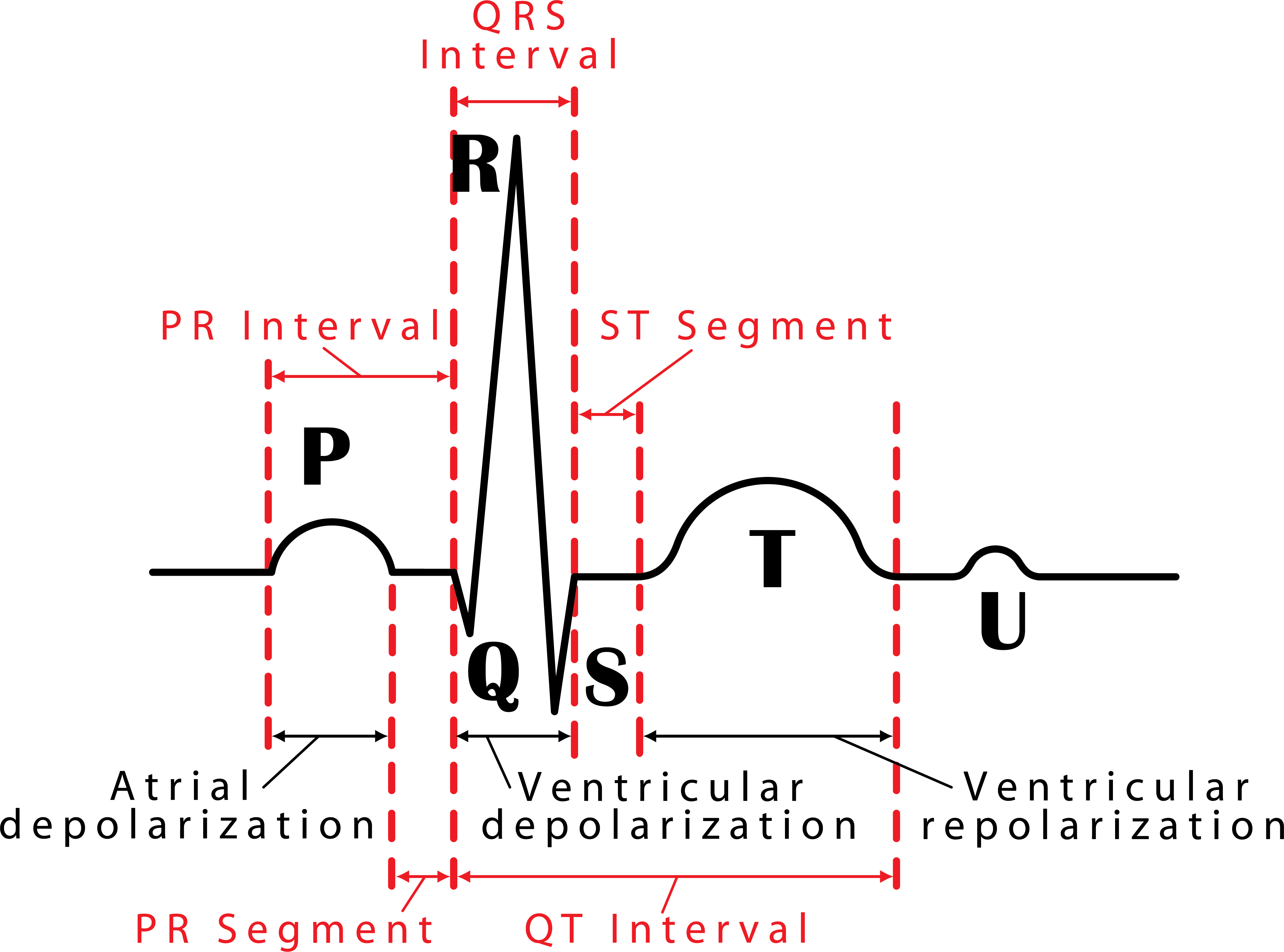
048 How to Read an Electrocardiogram (ECG/EKG) Interactive Biology
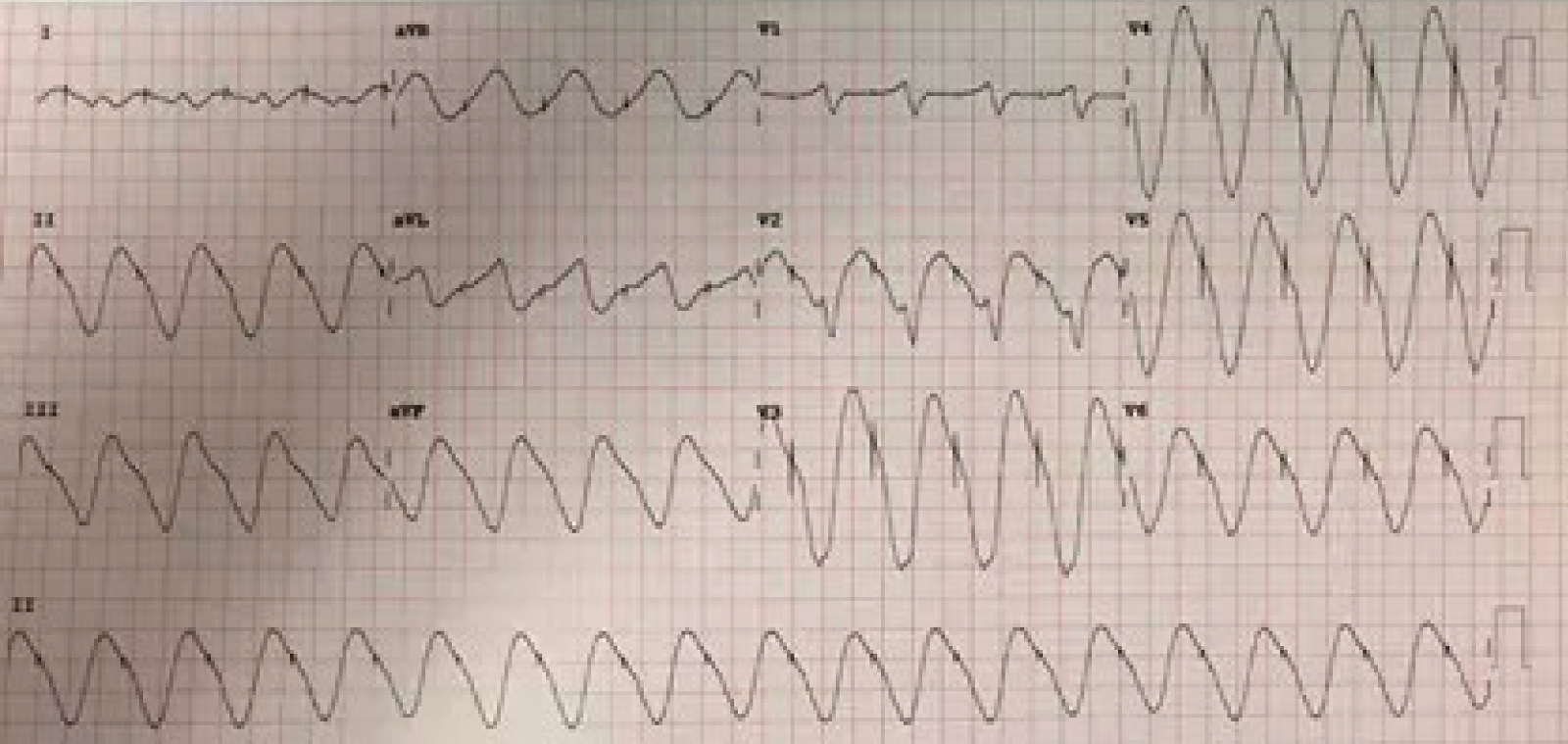
Dr. Smith's ECG Blog Weakness and Dyspnea with a Sine Wave. It's not

Sine Wave Pattern Ecg Images and Photos finder
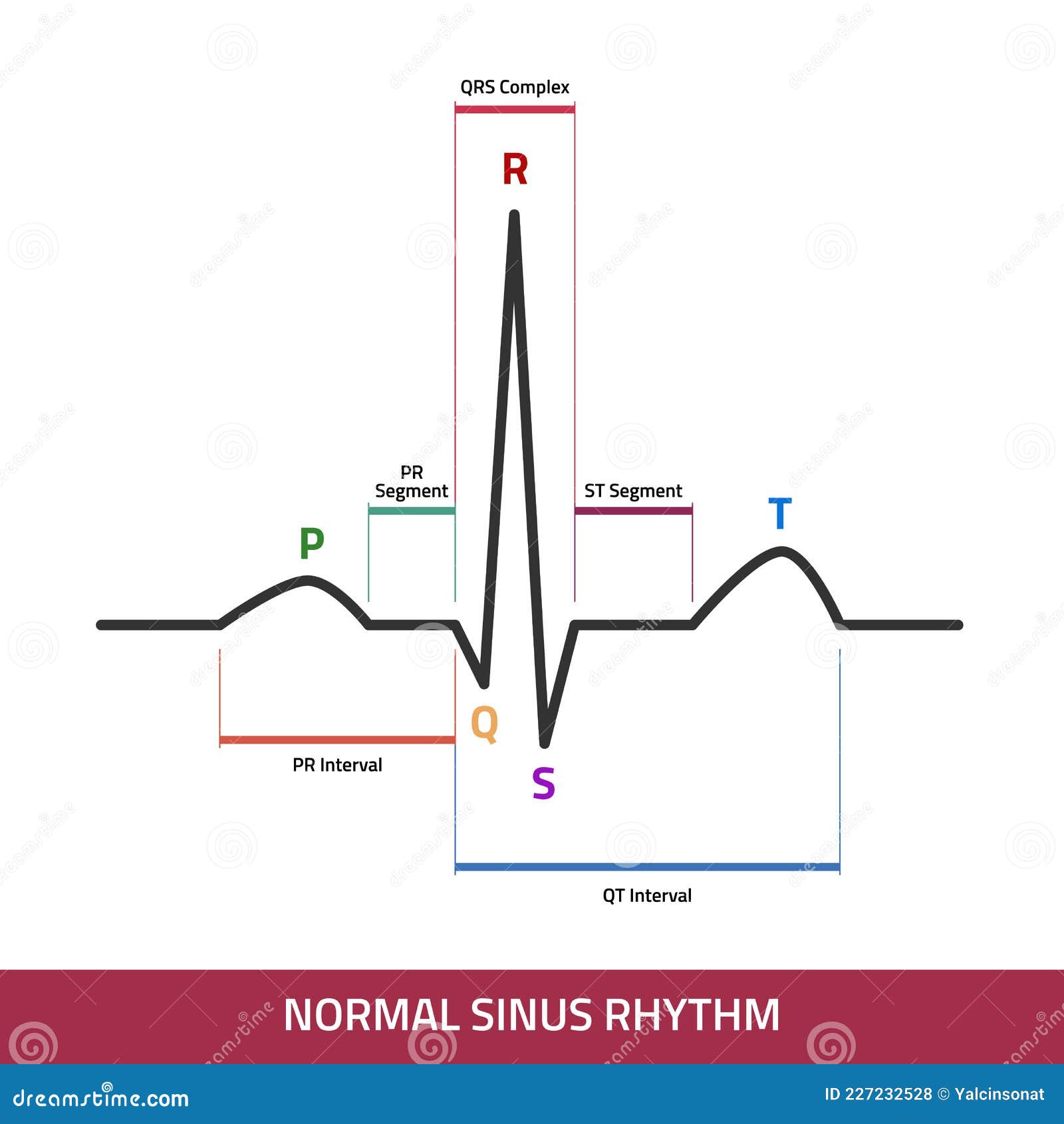
Ecg Normal Sinus Rhythm Infographic Diagram Stock Illustration Images
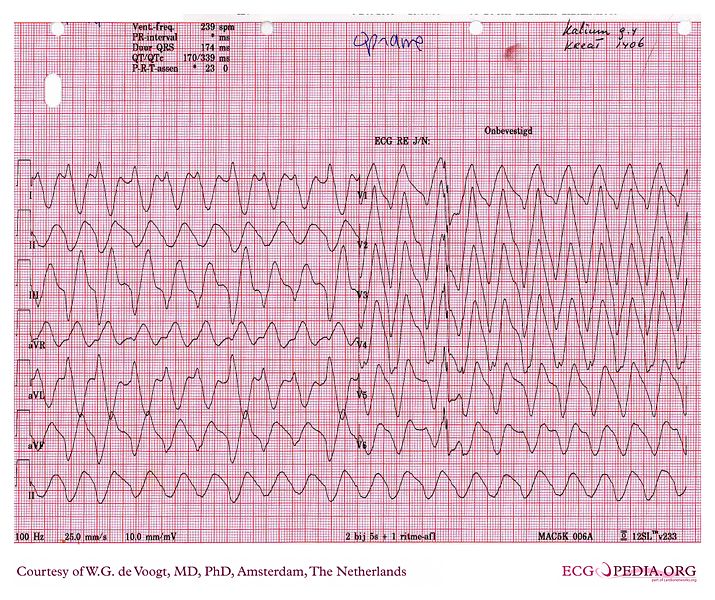
Sine wave pattern wikidoc

Hyperkalemia; Hyperpotassemia

12 lead EKG showing sinewave done in the emergency room. Download
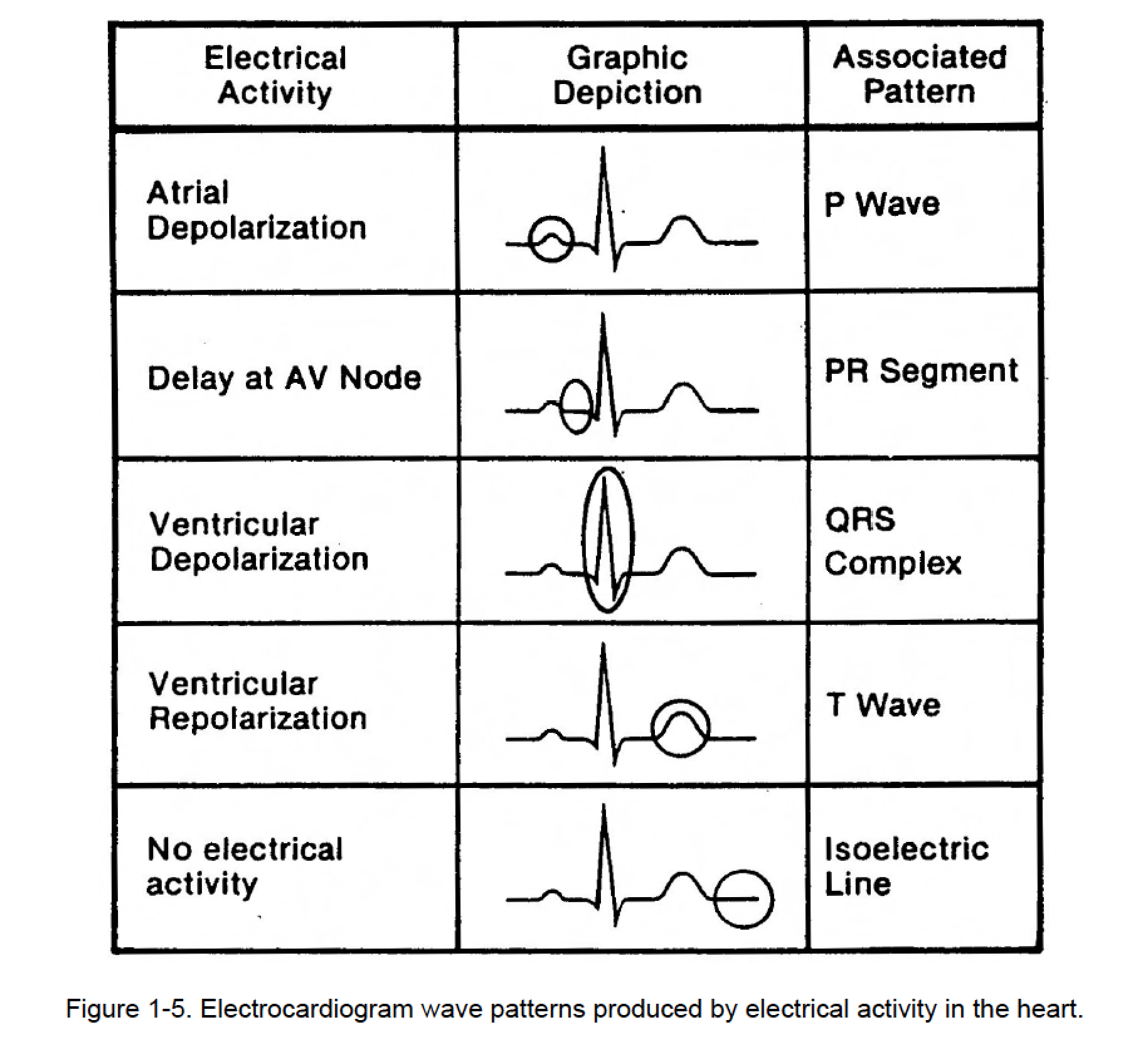
105. GRAPHIC DISPLAY OF ELECTROCARDIOGRAM (C) Cardiac Rhythm

ECG changes due to electrolyte imbalance (disorder) Cardiovascular

SineWave Pattern Arrhythmia and Sudden Paralysis That Result From
Based On Lab Testing (>5.5 Meq/L), Although Ecg May Provide Earlier Information
Web Ecg Changes In Hyperkalaemia.
Peaked T Waves, Prolonged Pr Interval, Shortened Qt Interval;
Web Hyperkalaemia Is Defined As A Serum Potassium Level Of > 5.2 Mmol/L.
Related Post: