
Stack Bond Tile Pattern
Stack Bond Tile Pattern - Web stack bond is different from brick pattern installation which has more movement because the tiles are offset. Lay tiles in a straight or stack bond to create clean lines. It’s simple and straightforward even if it isn’t fancy. Delivers clean and sleek lines. Web here, smaller rectangular tiles marshaled in tidy rows align in a vertical stacked bond pattern for a fresh and modern bathroom backsplash. Web staggered bond (sometimes called stretcher bond, offset or 1/3 bond) is very similar, except the tiles overlap the tile above by at least one quarter instead of half, creating a softer, more natural look. Web a stack bond construction is a pattern in which bricks or tiles are stacked on top of each other with continuous horizontal edge joints and vertical head joints. This pattern can be achieved using a rectangled tile or a square one. It is extremely easy to layout. It's a variation of the brick bond pattern, the only difference being that tiles are slightly more 'staggered'. Web the stacked bond joint tile pattern, also known as the straight set or grid pattern, is simpler than the last pattern. Web a rectangular straight stack bond pattern is great to add a contemporary look in bathrooms, kitchens, or commercial spaces. Creating ‘stacks’ of tiles adds a graphic, modern feel to a space especially when used with a contrasting grout colour to highlight the edges of the tile. Stretcher bond or brick bond for a classic design. Web by using the same tiles on walls and floors you can create a clean, calm space. Web from classic stacked bond to herringbone tile patterns, find inspiration from these tile pattern ideas. This pattern can be achieved using a rectangled tile or a square one. Web straight grout lines, as opposed to another subway tile classic, the running bond pattern, are aesthetically pleasing and create a sense of order on your walls or floors. It's a variation of the brick bond pattern, the only difference being that tiles are slightly more 'staggered'. A straight lay is also referred to as a stack bond. Grid, straight set) we will start our list of bond style tiling patterns with perhaps the simplest of them all. Web by using the same tiles on walls and floors you can create a clean, calm space. Web bricks can be stacked in a variety of ways, but typically there are only two common options when it comes to installing. Grid, straight set) we will start our list of bond style tiling patterns with perhaps the simplest of them all. Web by using the same tiles on walls and floors you can create a clean, calm space. Web the stacked bond joint tile pattern, also known as the straight set or grid pattern, is simpler than the last pattern. Web. Delivers clean and sleek lines. Lay tiles in a straight or stack bond to create clean lines. Web a rectangular straight stack bond pattern is great to add a contemporary look in bathrooms, kitchens, or commercial spaces. Web here, smaller rectangular tiles marshaled in tidy rows align in a vertical stacked bond pattern for a fresh and modern bathroom backsplash.. Stack bond is a straight grid format, below are some horizontal stack bond tile installations: Web straight grout lines, as opposed to another subway tile classic, the running bond pattern, are aesthetically pleasing and create a sense of order on your walls or floors. 1/3 stretcher bond is a favourite tiles pattern. Vertical installations have an elongating effect and feel. See the illustrations below to see. Web bricks can be stacked in a variety of ways, but typically there are only two common options when it comes to installing bricks: This pattern can be achieved using a rectangled tile or a square one. Straight stack and horizontal offset stack, both elongate a space, and because it draws the eye up,. Web a stacked tile backsplash is a nice solution for many styles: When it comes to regular square or rectangular tiles, nearly every pattern can be boiled down to these five basic models. Web a rectangular straight stack bond pattern is great to add a contemporary look in bathrooms, kitchens, or commercial spaces. The pattern is a straight grid format. When it comes to regular square or rectangular tiles, nearly every pattern can be boiled down to these five basic models. It’s simple and straightforward even if it isn’t fancy. Before you leap into your kitchen or bathroom renovation, it pays to know the basics. Delivers clean and sleek lines. Web vertical stack bond. The running bond is the most common type of brick pattern, one seen in walls and buildings all over the globe. It's a variation of the brick bond pattern, the only difference being that tiles are slightly more 'staggered'. Web the stacked bond joint tile pattern, also known as the straight set or grid pattern, is simpler than the last. Web by using the same tiles on walls and floors you can create a clean, calm space. Also known as a running bond, this common brickwork pattern has each tile start at the center of the tile below it. Web floor pattern tiles and tile laying patterns. Lay tiles in a straight or stack bond to create clean lines. Web. Web staggered bond (sometimes called stretcher bond, offset or 1/3 bond) is very similar, except the tiles overlap the tile above by at least one quarter instead of half, creating a softer, more natural look. Lay tiles in a straight or stack bond to create clean lines. Web floor pattern tiles and tile laying patterns. A line of trim tiles. Web straight grout lines, as opposed to another subway tile classic, the running bond pattern, are aesthetically pleasing and create a sense of order on your walls or floors. Web a very ordinary bathroom wall can be transformed into a contemporary designer statement with a stack bond pattern. Web straight lay pattern (or stack bond) the straight lay pattern will be one of the simplest patterns someone can choose. Web bricks can be stacked in a variety of ways, but typically there are only two common options when it comes to installing bricks: It is extremely easy to layout. For tiles 300x600 or larger only ever use a staggered brick bond as this will avoid lipping. It’s simple and straightforward even if it isn’t fancy. It's a variation of the brick bond pattern, the only difference being that tiles are slightly more 'staggered'. Web here is an explainer on 1/3 staggered tile pattern plus 4 other basic patterns. Web stack bond is different from brick pattern installation which has more movement because the tiles are offset. Web a staggered brick bond pattern, or running bond, is a pattern where tiles are placed in alternate rows so that the pattern is offset from row to row. However, it can also create a seamless look when used with larger tiles and a coordinating grout, helping a space feel bigger. Stack bond is a straight grid format, below are some horizontal stack bond tile installations: This is a clean and classic layout for subway tiles on walls and floors. Creating ‘stacks’ of tiles adds a graphic, modern feel to a space especially when used with a contrasting grout colour to highlight the edges of the tile. Web from classic stacked bond to herringbone tile patterns, find inspiration from these tile pattern ideas.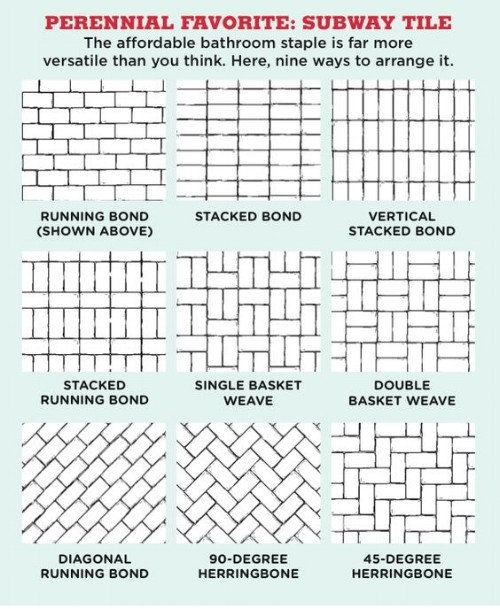
Staggered Brick Bond Tile Pattern / Sometimes the offset is one third
:max_bytes(150000):strip_icc()/MuliaTile-774e65991ff6436088e2cd43e6902cb4.png)
Stack Bond Tile Trend Stacked Tile Pattern
:max_bytes(150000):strip_icc()/GinaGutierrez2-7d05af1d5ae14899a224c0a3c12a34f0.jpg)
Stack Bond Tile Trend Stacked Tile Pattern
:max_bytes(150000):strip_icc()/CarrarafromTheBuilderDepot-a30370c23ccb42c99aadfd62e6f2a641.jpeg)
Stack Bond Tile Trend Stacked Tile Pattern

Your Guide to tile pattern layouts Brick tiles bathroom, Kitchen wall
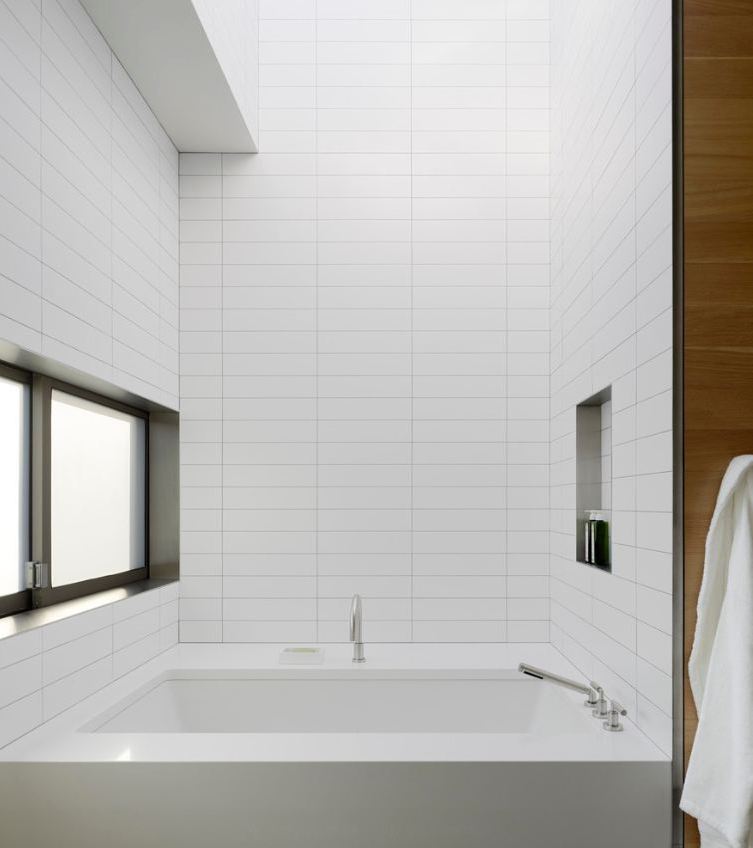
Stack Bond Tile Centsational Style
:max_bytes(150000):strip_icc()/GinaGutierrez2-7d05af1d5ae14899a224c0a3c12a34f0.jpg)
Stack Bond Tile Trend Stacked Tile Pattern
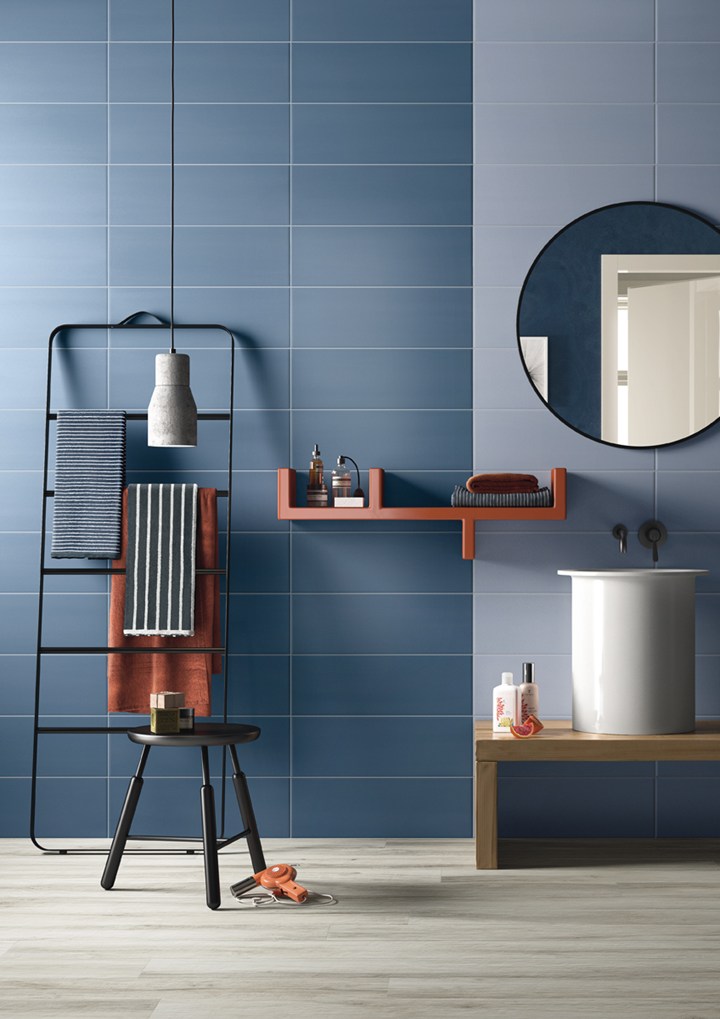
Stack Bond Tile Centsational Style

Stack Bond Tile Centsational Style

Stack Bond Tile Centsational Style
In Kitchens, A Simple Metro Tile Can Acquire An Entirely New Quality With A Basket Weave Pattern.
Web Staggered Bond (Sometimes Called Stretcher Bond, Offset Or 1/3 Bond) Is Very Similar, Except The Tiles Overlap The Tile Above By At Least One Quarter Instead Of Half, Creating A Softer, More Natural Look.
This Makes It A Very Common Option, Especially If You Will Be Completing A Do It Yourself Project Or Are New To The Tiling World.
Web Stack Bond Is Just A Fancy Way Of Saying Tiles That Are Laid Straight On Top Of One Another In Columns As Opposed To Offset In A Traditional Pattern.
Related Post: